Social media, health news, and the National Institutes of Health
For reliable health information, the National Institutes of Health (NIH) website is an excellent resource to begin with. It provides trustworthy, research-backed details on a wide range of health topics. Another credible source is the Centers for Disease Control and Prevention (CDC) website, which offers up-to-date information on diseases, prevention strategies, and public health guidelines. Both of these websites are valuable tools for ensuring that the health information you access is accurate and scientifically sound.
Social media platforms and apps are online spaces where people can connect with friends, family, and even strangers. These platforms serve as channels for sharing news, opinions, and health-related information. While some of the information shared is accurate, it’s important to remember that not everything you see online is trustworthy. Just because a post comes from a friend, family member, or colleague doesn’t guarantee its reliability or relevance to your own health. Always verify the source of the information and consider whether the original author is a credible expert. Fact-checking websites can also be helpful in assessing the truthfulness of a story.
How to Use Social Media for better performance & Health Information
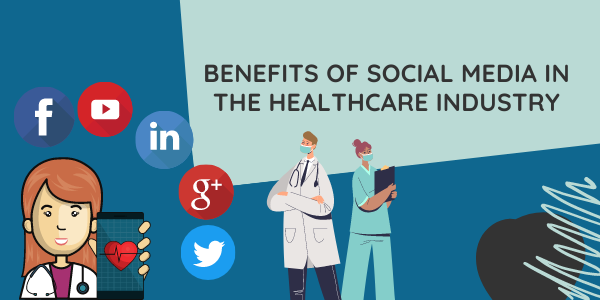
Social media in healthcare offers vast opportunities for improving patient care, expanding reach, and enhancing communication. By using social media effectively, healthcare providers can engage with patients, educate the public, and stay connected in real-time. Moreover, it provides a cost-effective way to promote services, combat misinformation, and respond quickly in times of crisis, ultimately improving the overall healthcare experience for both patients and providers.
Just as you would evaluate information on social media, it’s important to assess health-related content in books with the same level of scrutiny. Check the author’s credentials, the publication date to ensure the information is up-to-date, and where the information comes from. If you’re uncertain, always consult your healthcare provider to clarify what you’ve read.
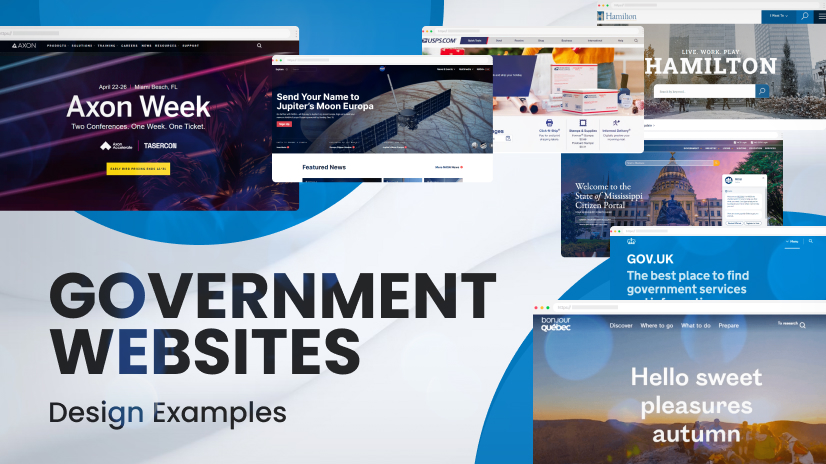
Health websites sponsored by federal government agencies offer a wealth of benefits, including access to reliable, evidence-based information, health education, public health data, and government-sponsored healthcare programs. These websites empower individuals to make informed decisions about their health, promote healthier lifestyles, and increase access to necessary healthcare services. In times of public health emergencies, they serve as vital sources of information, guidance, and resources, ensuring that the public is well-equipped to handle health-related challenges.
In general, health websites sponsored by federal government agencies are trusted and reliable sources of information. You can access all federal websites through www.usa.gov. Additionally, reputable medical and healthcare organizations, hospitals, and academic medical institutions often provide accurate, evidence-based health information. These sources are typically backed by experts and offer trustworthy guidance on a wide range of health-related topics.
MedlinePlus.gov is a website from the NIH National Library of Medicine that has dependable consumer health information on more than 1,000 health-related topics.