

If you’re seeking help for mental health, there are a variety of resources and places you can turn to for support, depending on your needs. Here’s a breakdown of different options for mental health support:

1. Primary Care Provider (PCP)
- What they offer: Your primary care doctor can be an initial point of contact for mental health concerns. They can assess your symptoms, provide a diagnosis, and refer you to mental health specialists (therapists, psychiatrists, etc.).
- When to consider: If you’re unsure about your mental health needs or if you’re experiencing physical symptoms that may be related to mental health (such as fatigue, sleep issues, or changes in appetite).
2. Mental Health Professionals
- Psychologists: These professionals provide therapy (talk therapy, CBT, etc.) and mental health assessments. They do not prescribe medications but work on providing coping strategies and emotional support.
- Psychiatrists: Medical doctors who specialize in mental health, psychiatrists can prescribe medications and offer psychotherapy. They’re typically helpful for conditions that may require medication management (e.g., depression, anxiety, bipolar disorder).
- Therapists/Counselors: Licensed clinical social workers (LCSWs), licensed professional counselors (LPCs), marriage and family therapists (LMFTs), and other licensed mental health counselors provide therapy and support.
- When to consider: If you’re experiencing symptoms like anxiety, depression, trauma, relationship difficulties, or other mental health challenges that could benefit from therapy or medication.
3. Community Health Centers
- What they offer: Many community health centers offer mental health services on a sliding scale based on income. These centers typically have a team of professionals including therapists, social workers, and psychologists.
- When to consider: If you’re looking for affordable mental health services and are in need of counseling or psychiatric care.

4. Crisis Helplines and Hotlines
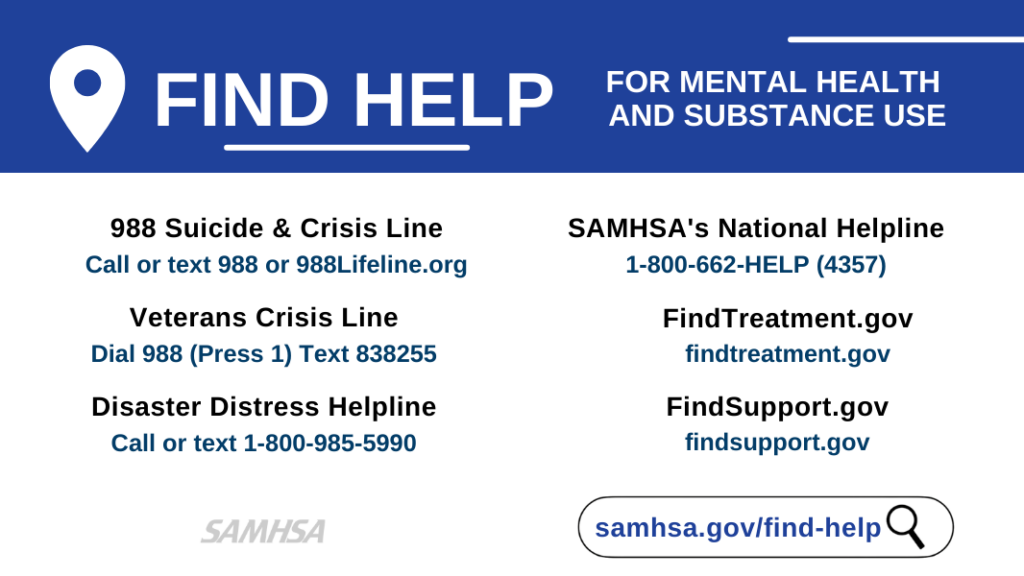
- National Suicide Prevention Lifeline (988): A free, confidential 24/7 helpline for individuals in crisis or suicidal thoughts. Available via phone, text, or chat.
- Crisis Text Line: Text “HELLO” to 741741 to connect with a trained crisis counselor.
- Substance Abuse and Mental Health Services Administration (SAMHSA) Helpline: 1-800-662-HELP (4357) offers free, confidential support for individuals facing mental health or substance use challenges.
- When to consider: If you’re in immediate emotional distress or crisis and need support, or if you’re feeling overwhelmed and need to talk to someone right away.
5. Online Therapy Platforms
- BetterHelp: Offers online counseling via text, video, and phone calls. It connects you with licensed therapists who can help with a variety of mental health challenges.
- Talkspace: Another online therapy platform that connects you with licensed mental health professionals through secure messaging, phone, or video sessions.
- When to consider: If you prefer the convenience of accessing therapy from your home or are unable to find in-person support, especially in remote or underserved areas.

6. Hospitals and Emergency Rooms
- What they offer: If you’re experiencing a mental health crisis (e.g., severe depression, suicidal thoughts, psychosis), emergency rooms have trained staff and can provide immediate psychiatric care and hospitalization if necessary.
- When to consider: If you’re at risk of harming yourself or others or if you’re experiencing a mental health emergency that requires immediate attention.
7. Support Groups
- What they offer: Support groups provide peer-to-peer support where individuals share their experiences and coping strategies. These groups can be especially helpful for conditions like depression, anxiety, PTSD, or grief.
- Where to find them: Look for local support groups through hospitals, mental health organizations, or national helplines. Websites like Meetup.com and online platforms also list support groups.
- When to consider: If you feel comforted by talking to others who understand what you’re going through and want to share and receive emotional support.

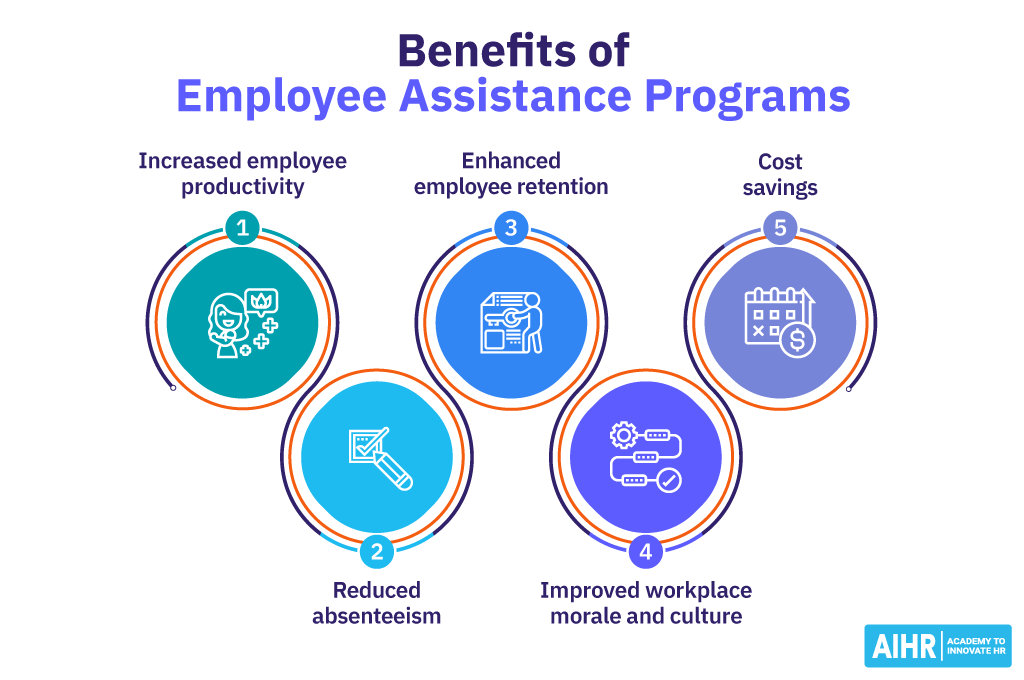
8. Employee Assistance Programs (EAPs)
- What they offer: Many employers offer EAPs, which provide confidential counseling services and referrals to mental health professionals at no cost to employees. These programs are designed to help with work-related stress, personal challenges, and mental health concerns.
- When to consider: If you are employed and are experiencing stress, burnout, or other mental health challenges and prefer to use a service provided by your employer.
9. University and College Counseling Services
- What they offer: Many universities and colleges offer free or low-cost counseling services for students, including individual therapy, group counseling, and workshops on mental wellness.
- When to consider: If you are a student seeking counseling services or mental health support during your time in school.


10. Faith-Based Counseling
- What they offer: Many religious organizations offer counseling and support services for mental health through pastors, clergy, or trained counselors. These services can be beneficial for those seeking guidance aligned with their faith or spiritual beliefs.
- When to consider: If you would prefer to incorporate faith-based perspectives into your mental health care.
There are numerous resources available for mental health support, ranging from professional therapy and counseling to immediate crisis help. Whether you need long-term therapy, peer support, or help navigating health programs, the important thing is to seek help as soon as possible. Reaching out to a mental health professional or support network is a critical step in taking care of your emotional and psychological well-being.
Search online for local providers or services in your area, or use websites like Psychology Today or TherapyDen to find therapists
Check with your health insurance provider to find in-network mental health professionals or programs.
Contact your primary care doctor for a referral or recommendations.
Use government resources like SAMHSA or the National Institute of Mental Health (NIMH) to access information and resources.
Call hotlines or text crisis services like the National Suicide Prevention Lifeline (988) for immediate support.